
Dry eyes and tear duct disorders
What are dry eyes?
Dry eyes are caused by insufficient tear production or rapid tear evaporation. This may cause your eyes to burn or sting, secrete mucus or even become red. Vision may occasionally be blurred as a result and you might suffer from light sensitivity. Dry eyes can have an enormous effect on your daily life. Fortunately, there are many painless treatments that will quickly make you comfortable again.
Symptoms of dry eyes
- Red eyes
- Pain
- Tearing eyes
- Tired eyes
- Less sharp vision
- Itching or a gritty sensation in your eyes
- Light sensitivity
- Difficulty wearing contact lenses
- Irritation by wind, smoke, etc.
- Blurred vision
Treatment of dry eyes
It is important to understand that there is no quick, ready-made solution. Only with a thorough and long-term treatment good results can be achieved. There is a good chance that various methods will be used simultaneously during your treatment. After examination, the ophthalmologist will recommend the most suitable treatment.
- Artificial tears
Drops or ‘artificial tears’ can increase the quantity of tears. Artificial tears are a supplement to your own tears and are often prescribed in combination with another treatment.
- Punctal plugs
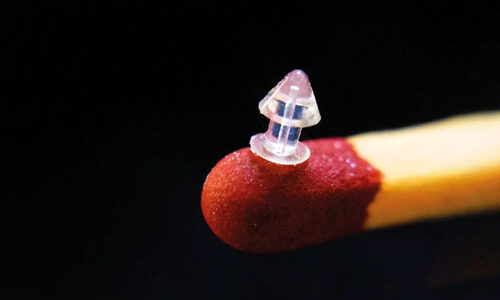
If insufficient tears are produced or if the tears are of inadequate quality, the tear drainage channel in the lower eyelid is closed up with a ‘plug’, so that the tears remain in the eye and offer better lubrication. The ‘punctal plug’ looks like a sort of small champagne cork and is not visible in the eye.
- Food supplements
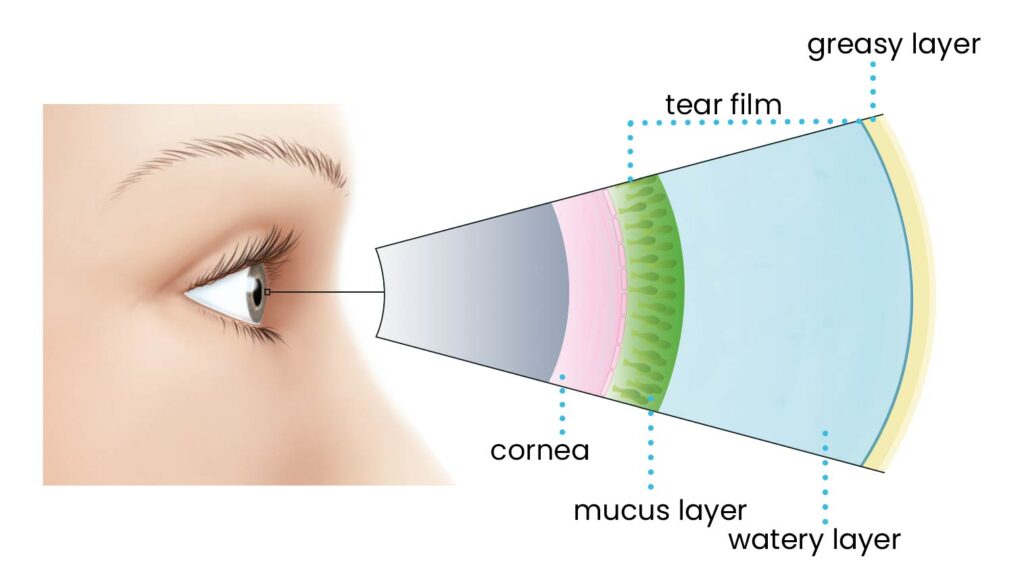
A healthy tear film ensures that your eyes don’t dry out and you can see sharply at all times. The lower layer, a thin layer of oil, is produced by the meibomian glands and protects the tears against evaporation. If these glands produce too little oil, your tears can easily dry up and you can experience blurred vision, or tired or tearing eyes. An Omega 3 food supplement (fish oil) can help. It increases the quantity of oil and improves the quality of the oil produced by the meibomian glands.
Treatment of dry eyes
We like to take the time to analyse how best to treat your dry eyes.
Frequently Asked Questions
What causes dry eyes?
Dry eyes occur when not enough tears are produced, when tear quality is poor, or when the tear film evaporates too quickly. Common causes include aging, hormonal changes (such as menopause or pregnancy), air conditioning, prolonged screen use, certain medications, and wearing contact lenses. Blocked Meibomian glands along the eyelid margins can also contribute to dry eye disease.
What are the symptoms of dry eyes and can they cause blurry vision?
Yes, fluctuating blurry vision is a common symptom of dry eyes. Other symptoms include a burning or stinging sensation, red eyes, light sensitivity, eye fatigue, itching, a gritty or sandy feeling in the eyes, and discomfort while wearing contact lenses. At Brussels Eye Doctors, we use advanced diagnostic technology to determine the specific type of dry eye condition you have.
What causes watery eyes and can dry eyes be responsible?
Yes, watery eyes are often a symptom of dry eyes, even though this may seem contradictory. When the Meibomian glands do not produce enough oil, tears evaporate too quickly. In response, the eyes produce excess tears, causing them to water. As we age, tear gland function naturally declines, making this problem more common. Drafts, prolonged computer use, and contact lenses can also contribute to watery eyes.
What can be done about dry eyes and what treatments are available?
Several painless treatments are available for dry eyes, although results are rarely immediate. Brussels Eye Doctors offers artificial tears, LipiFlow (which massages and heats blocked Meibomian glands), IPL light therapy (with a success rate of around 90%), Tixel, MiBo Thermoflo, and punctal plugs. In many cases, a combination of treatments is used to achieve the best possible outcome.
Do eye drops help with dry eyes and which ones are best?
Artificial tears are the most commonly used eye drops for dry eyes. They do not cure the condition but supplement your natural tear production. A wide range of products is available, each tailored to specific symptoms and needs. The ophthalmologists at Brussels Eye Doctors prescribe the artificial tears that best suit your type of dry eye condition. In addition, Omega-3 supplements are often recommended as supportive therapy.