
Your vision is one of your most precious senses. It determines how you experience, recognize, and remember the world. Yet many people postpone a visit to the ophthalmologist as long as everything seems fine. Understandable, but not ideal.
Many eye conditions develop silently. Without pain. Without clear warning signs. Until your vision suddenly changes. That’s why preventive eye care is so important.
What can your ophthalmologist detect early?
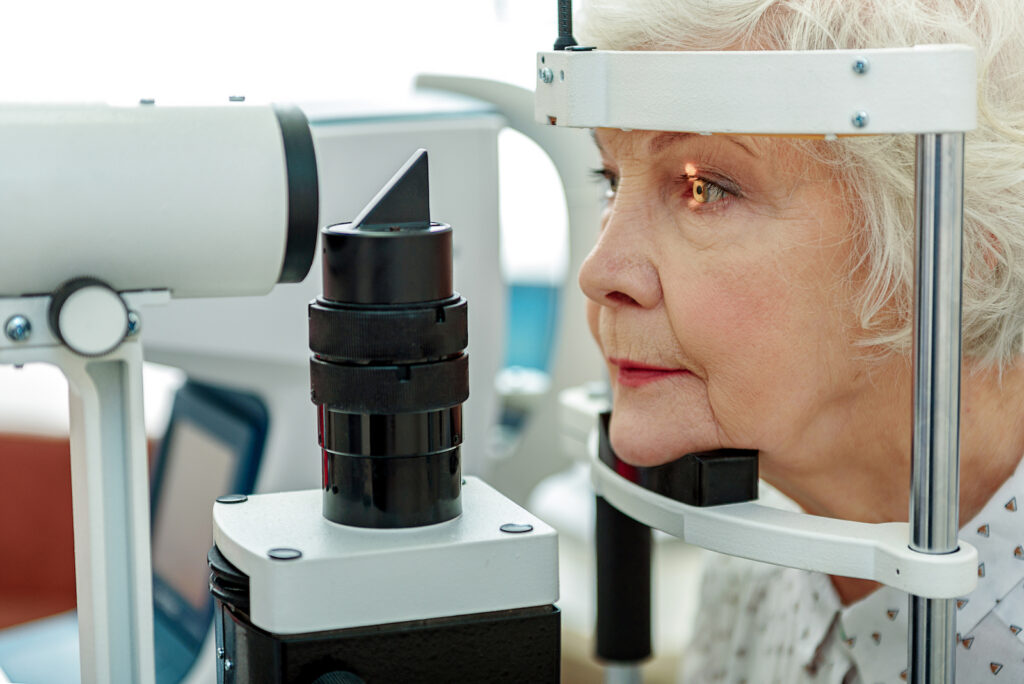
During a routine examination, we look beyond just visual sharpness. We also assess the overall health of your eyes. This allows us to detect early signs of:
-
Glaucoma: a silent damage to the optic nerve, often without symptoms
-
Macular degeneration: a retinal condition that affects central vision
-
Cataract: clouding of the eye’s natural lens, highly treatable with timely follow-up
Early detection makes a world of difference.
When should you have your eyes checked?
-
From age 45: at least every two years, even without symptoms
-
If you have risk factors such as diabetes or a family history of eye disease: follow your ophthalmologist’s advice
-
For children: if there are concerns about vision or learning difficulties
-
If you experience sudden symptoms such as blurred vision, flashes of light, distorted images, or eye pain: seek immediate care
Clarity brings peace of mind
An eye examination is quick, painless, and above all reassuring. The earlier we detect potential problems, the more effectively we can help. So make sure to have your eyes checked regularly.
Not because something has to be wrong, but because your vision deserves proper care.
Do you have questions or would you like to schedule an appointment? Our team is here to help!