
Have you noticed that your vision is becoming blurrier? Do you struggle with reading, driving at night, or feel that colors are less vibrant than they used to be? These could be signs of cataracts.
Cataracts are a common eye condition in which the eye’s natural lens becomes cloudy. They occur most frequently after the age of 60, but younger people can also develop them.
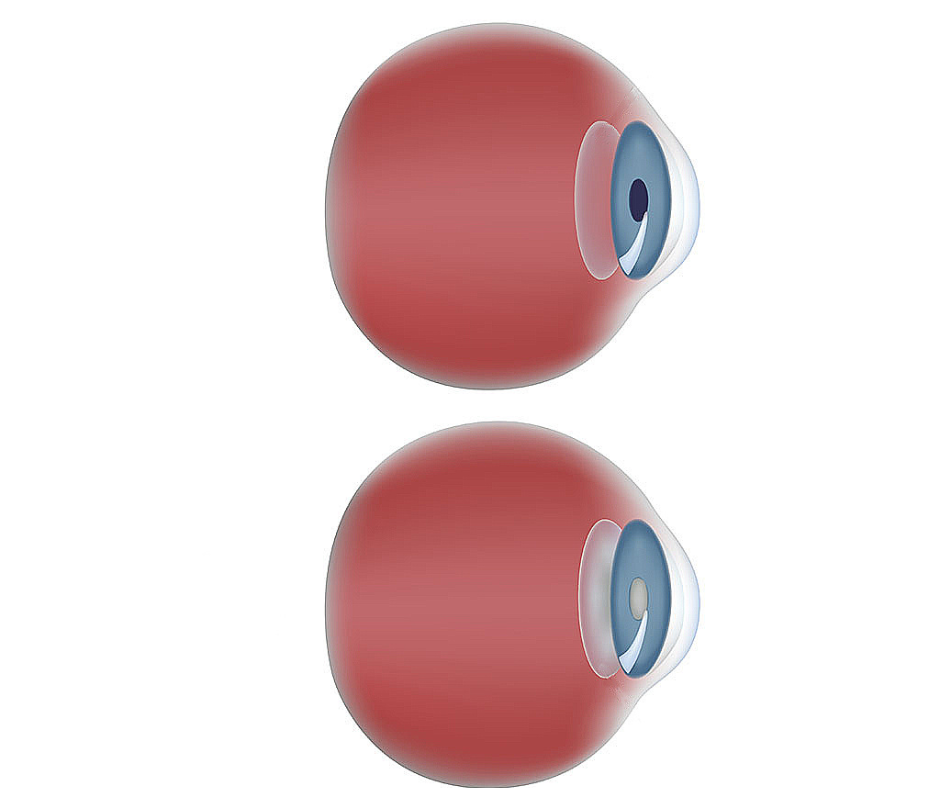
In a healthy eye, the lens is clear and helps focus light correctly onto the retina. When cataracts develop, the lens gradually becomes cloudy. As a result, it can feel as though you are looking through a foggy or dirty window. Symptoms usually develop slowly, which means many people do not immediately realize how much their vision has changed.
Typical symptoms of cataracts include:
- Blurred or dim vision
- Increased sensitivity to bright light or headlights
- Reduced vision in low-light conditions
- Frequently needing a new prescription for glasses
- Colors appearing faded or less vivid
Cataracts are usually caused by the natural aging process of the eye. However, factors such as diabetes, smoking, prolonged exposure to UV radiation, and certain medications may also increase the risk.
The good news is that cataracts can be treated effectively. During an eye examination, an ophthalmologist can quickly and painlessly detect cataracts. The examination assesses not only the clouding of the lens but also the impact on your daily life and visual performance.
When cataracts begin to interfere with daily activities, surgery may be recommended. During this procedure, the cloudy lens is replaced with a clear artificial lens. Cataract surgery is one of the most commonly performed and safest procedures in ophthalmology and often results in a significant improvement in vision.
Have you noticed changes in your eyesight or are you unsure whether your symptoms could be related to cataracts? Have your eyes examined in time. Early diagnosis helps preserve your vision and allows you to continue enjoying life’s most beautiful moments.